Language: EN
Start free

A Faire catalogue, square image by square image.

Faire asks for square product images above a minimum size, in PNG or JPEG, and recommends a portrait format for apparel. Herofab's product studio places bags, jewelry, footwear, cosmetics or homeware in a studio or styled scene from one photo each, so that a wholesale catalogue can share one ground and one light.

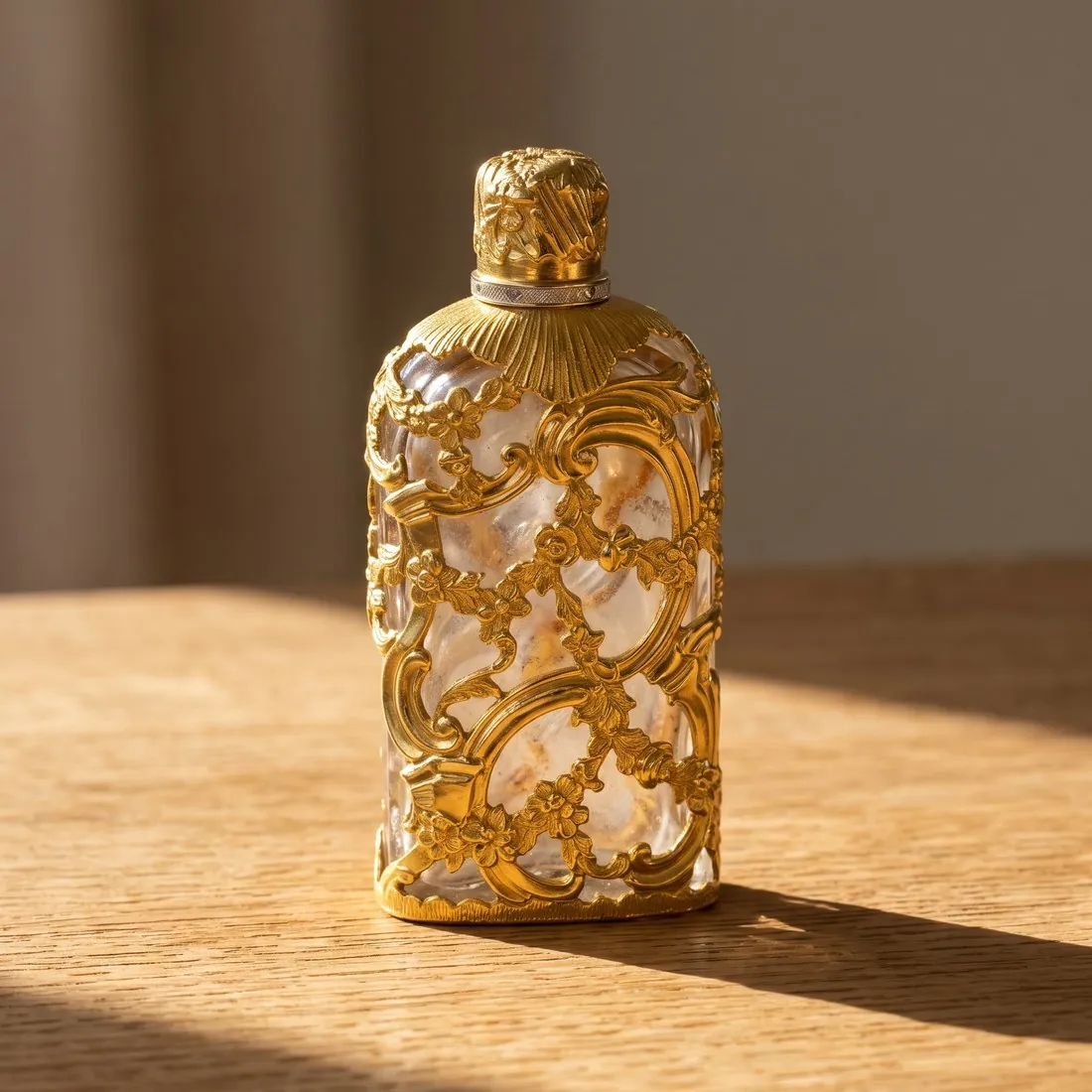
The same bottle on a wooden surface · Product studio
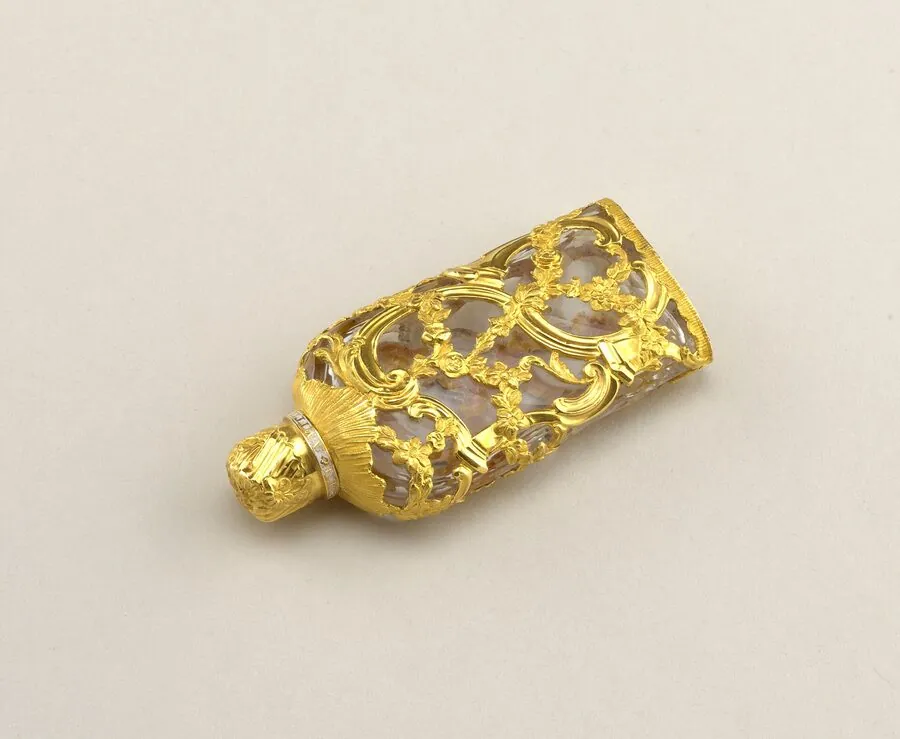
Source photo: Product photo. Made with Herofab · Product studio
Worth knowing

Two shapes and one catalogue look.

  1. 1

    Square for products

    Product images on Faire are square and have a minimum width and height. Square is one of the ratios the product studio delivers, and the Faire download for products is a square file within the limits Faire publishes. A product much taller than wide, a bottle or a long necklace, sits small in a square, so pick the angle that fills it.

  2. 2

    Portrait for apparel

    For apparel Faire recommends a portrait image and names an optimal size for it. Clothing therefore follows a different frame from the rest of the catalogue: Virtual try-on shows a garment on a studio model in portrait, and the Faire download for clothing is made in that recommended size. Decide per product which shape applies.

  3. 3

    PNG or JPEG, one look

    Faire accepts PNG or JPEG, and Herofab images can be downloaded in either. Beyond the file rules, a wholesale catalogue is read as a line: the same ground, the same angle and the same shadow from one product to the next. Scene, angle and shadow are settings in the product studio, so the second product can be made like the first.

In marketplace rules

What Faire asks for.

Source: Faire Help Center — Image size requirements. Checked 8 October 2026.

Product images
Square, at least 500 × 500 pixels
Apparel
Portrait recommended, which Faire writes as a 4:3 ratio (3:4 as width to height); optimal size 1,800 × 2,400 pixels
Format
PNG or JPEG
Profile image
Square; optimal size 1,080 × 1,080 pixels
Logo
A 1:1 ratio is recommended; optimal size 248 × 248 pixels
Cover image
Long and horizontal; recommended size 4,400 × 1,000 pixels
Source photo

Photographing a product line for square images.

  • Photograph each product of the line on the same surface and from the same distance, so that the square images of the catalogue agree in scale.
  • Stand tall items upright and lay flat ones down for a top-down view; choose the position that fills a square before the photo is taken.
  • Turn the brand label or stamp towards the camera and zoom in to see that it is readable, as small text on labels is the detail to compare first on the result.

Where wholesale image files go wrong before review

The size rules are short, so most problems are mechanical. A product image that is not square, or falls under the minimum width and height, misses them, and accepted file types stop at PNG and JPEG: a HEIC picture from a phone, a WebP saved from a website or a TIFF from a scanner needs converting first.

The help page writes the apparel ratio as four to three while meaning a portrait frame, three units wide and four tall, so a literal reading produces a landscape garment image. The brand page adds three images of its own, a square profile picture, a square logo and a long horizontal cover, none of them bound by the product rules.

Square product shots and upright garments side by side

Bags, jewelry, footwear, cosmetics and homeware go through the product studio in the square format. Garments take the three-by-four portrait ratio, on a studio model in Virtual try-on or without one in Ghost mannequin. In that ratio the 4K option delivers more pixels than the optimal apparel size on the help page.

The marketplace download keeps the two cases apart: one entry for products produces a square, a second entry for clothing produces the portrait size called optimal, both padded instead of cropped. For the brand page, Extend frame widens an approved scene to its banner shape; the cover is longer still, so its last trim is made to the cover's own size.

Converters, presets and a steady image sequence

Herofab delivers PNG files and the marketplace download writes JPEG, so both sides of the format rule are covered. Photos that never passed through Herofab are another matter: the free HEIC to JPG converter turns iPhone pictures into JPEG in the browser, and the free resizer for this marketplace pads any photo into the square product size.

The rules set no image count, so a fixed sequence carries the consistency of a range: a front view on a plain ground, a second angle, a styled scene, then a close-up from Detail shot. Retail buyers comparing products meet the same rhythm on every page, and the free checker tests shape, size and format before upload.

Questions

Product photos for Faire, answered.

Which Faire images are square and which are portrait?

Product images are square; for apparel Faire recommends portrait. The Herofab download offers Faire in both forms: a square file for products, and for clothing a portrait file in the size Faire recommends. Each is made from the delivered image without cropping, so the shape is decided by what the product is, not by a second shoot.

Can a whole wholesale line be shown in one scene?

Yes. The scene, the angle, the light and the shadow are chosen settings: a studio ground, light or dark, a scene such as marble, concrete, a pedestal or a kitchen, or the brand's own background image. Repeating the settings for each product gives the catalogue one ground and one light. Every result is still compared with its own product before it is listed.

How is a file checked against Faire's requirements?

The free Faire checker reads the file in the browser and tests it against the published requirements, the square shape and the minimum size among them; the file stays on the device. It tests the file, not the content. Whether the colour, the label text and the hardware match the product is for the brand to compare with the item in hand.

Which image shapes does a wholesale brand page need besides products?

Three, according to the help page: a square profile image, a logo in a square ratio and a long, horizontal cover. They present the brand rather than a product. A Herofab scene widened by Extend frame can be the base of the cover; the logo comes from the brand's own artwork.

Does the apparel ratio mean a landscape or a portrait image?

Portrait. The help page counts height before width; read as width to height the ratio is three by four, taller than wide. The three-by-four ratio in Virtual try-on or Ghost mannequin gives that upright frame from the start, and the clothing entry of the download keeps it.

How much does it cost?

4 credits per image, plus one credit for 4K. In US dollars that is $0.16 to $0.48 per image before tax, from the largest plan to the smallest credit pack. The cost is shown before you generate, and if a job fails the credits are returned. The 20 free credits at sign-up cover 5 images with this tool.

Examples by product
Get started

Your next collection, shot this week.

20 credits at sign-up, no card required. Images made with free credits carry a watermark. Herofab also removes the watermark from those images once credits are purchased.