AI-generated images: who allows what.
Of the 98 marketplaces, shop platforms and ad platforms whose image rules Herofab has read, 20 say something about AI-generated images. 9 require a label or a disclosure, 3 offer one without requiring it, 6 allow AI images as long as they show the product accurately, and 2 restrict what AI may be used for. Each rule is in the table, with the day its official page was read.
Free to reuse under CC BY 4.0. Credit: Herofab (herofab.app).
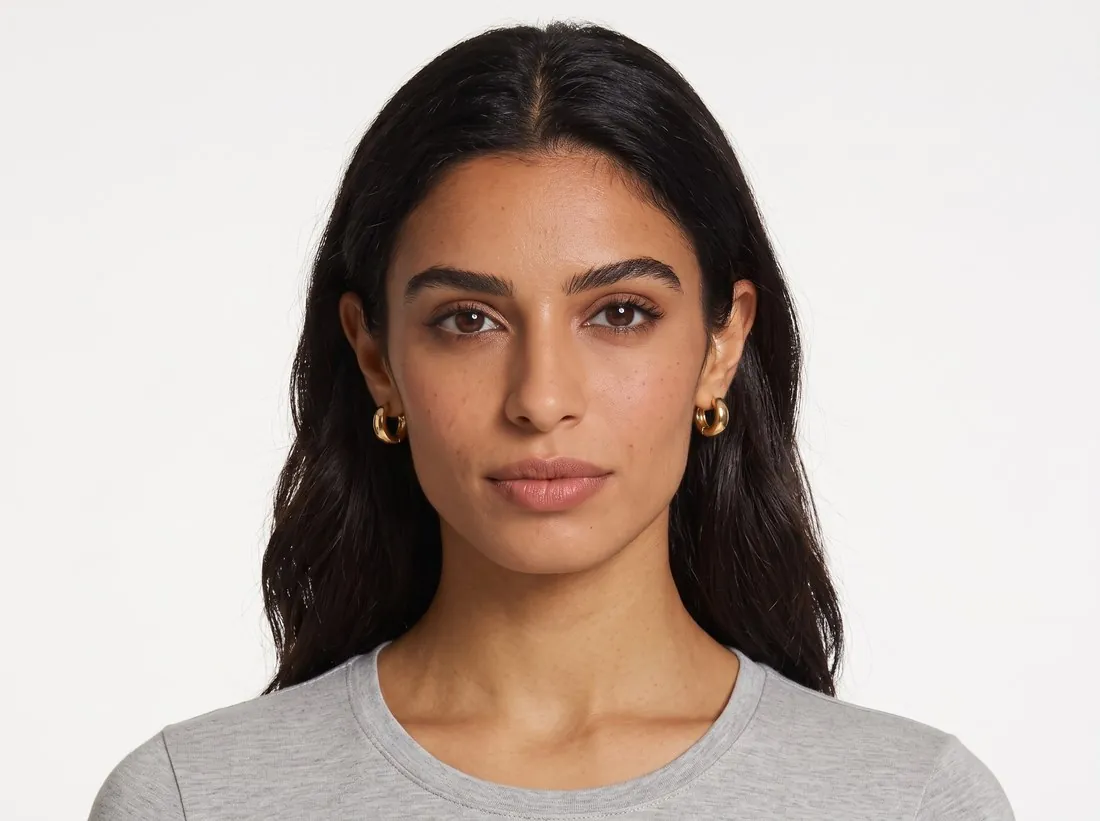
Rule by rule, platform by platform.
Each row is the AI rule from that platform's guide, and the guide links the official page it comes from. The kind of rule is Herofab's reading of it; the wording next to it is what the platform says.
| Platform | Kind of rule | What it says | Read on |
|---|---|---|---|
| Google Shopping | Label or disclosure required | Images created with generative AI must carry metadata that marks them as AI-generated, such as the IPTC DigitalSourceType tag; the tag must not be removed | 10 October 2026 |
| Kickstarter | Label or disclosure required | A project that uses generative AI on its campaign page or in the final project must say so in the disclosure questions and explain which parts use AI and how; the disclosure appears on the project page, and projects that rely excessively on generative AI are not allowed | 12 October 2026 |
| Nextdoor Ads | Label or disclosure required | Content using media generated by AI must disclose that the images, audio, video or other media were created using AI; AI may not be used in ways that intentionally deceive or manipulate users | 12 October 2026 |
| Outbrain | Label or disclosure required | Images generated or materially modified with AI must be clearly labelled as AI-generated at the point of first exposure; AI must not be used to produce synthetic before-and-after imagery | 12 October 2026 |
| Taboola | Label or disclosure required | Tick the AI content box when an image was created or substantially edited with generative AI; an AI label is shown in markets that require disclosure, and AI likenesses of real, identifiable people are not permitted | 12 October 2026 |
| THE ICONIC | Label or disclosure required | Where AI-generated imagery is used, imagery of the actual product is also required, and a disclaimer note is added to the bottom of the description field | 12 October 2026 |
| TikTok ads | Label or disclosure required | Content that is completely AI-generated or significantly edited by AI must be disclosed with the AIGC label or a clear disclaimer, caption, watermark or sticker; minor edits such as removing or modifying backgrounds are listed as insignificant. Undisclosed AI-generated content leads to the ad being rejected or restricted | 12 October 2026 |
| YouTube | Label or disclosure required | Creators must disclose realistic content that is generated or meaningfully altered with AI; using generative AI tools to create or improve a thumbnail does not need to be disclosed | 12 October 2026 |
| Zalando | Label or disclosure required | Visible on-image labels are not allowed; invisible marking of AI-generated content is strongly recommended and required by December 2026 | 10 October 2026 |
| Avocadostore | Label offered, not required | Ensure the AI platform permits commercial use and consider the rights of models; depict products realistically and make AI-generated model images look realistic; for greater transparency, add a note to the product description stating that the image is AI-generated | 27 September 2026 |
| Google Ads | Label offered, not required | The AI label setting lets advertisers disclose assets as AI-generated or edited; for campaigns that target the European Union, India, New York, California, South Korea or Vietnam, ads with such assets also carry a visible label | 12 October 2026 |
| Label offered, not required | The catalogue has an optional ai_disclosures field for realistic AI-generated images and AI-generated humans that could be confused with a real person; Pinterest also adds a Gen AI label when a Pin's metadata shows it was generated or modified using AI | 11 October 2026 | |
| CDON | Allowed if accurate | May be used, but must not misrepresent the product being sold. The primary product image must show the actual product; AI may enhance backgrounds or create inspirational settings, but must not alter the product or add features, accessories or details the customer will not receive | 27 September 2026 |
| Fyndiq | Allowed if accurate | Allowed as long as they give no misleading picture of the product sold, with a fair and correct view of its appearance, colour, material, function and contents. The main product image shows the real product; AI may improve backgrounds or create inspiring environments, not change the product or add features, accessories or details the buyer will not get | 27 September 2026 |
| Snapchat ads | Allowed if accurate | Content manipulated for false or misleading purposes through generative AI is prohibited | 12 October 2026 |
| TikTok Shop | Allowed if accurate | TikTok Shop's policy on AI-generated listing images allows them when they accurately represent the real product; AI must not change the product's size, colour, shape, features or performance, its quantity or bundle contents, or show unsupported accessories | 10 October 2026 |
| Tokopedia | Allowed if accurate | AI-generated images must accurately represent the actual product, including its SKU, material, quantity, features, functions, effects, endorsements and delivery condition, and must not alter or exaggerate the product | 11 October 2026 |
| Walmart | Allowed if accurate | Images generated by artificial intelligence must be truthful, accurate and not misleading | 10 October 2026 |
| Google Business Profile | Restricted | Photos should have no significant alterations or excessive use of filters or AI | 12 October 2026 |
| Wolf & Badger | Restricted | Permitted for backgrounds, settings, lighting and lifestyle context, but not to generate, alter or improve the product itself; every listing must include at least one true, unedited photograph of the actual product as the hero image, and obviously AI-generated people are not acceptable | 12 October 2026 |
Platforms whose pages say nothing.
The image rule pages Herofab read for these 78 platforms do not mention AI-generated images. That is neither permission nor a ban: their general rules still apply, above all that the image shows the product the buyer receives.
Amazon is not in this list: its rule on AI-generated people is in the Amazon A+ Content and Amazon Ads rows above.
AI image rules, in short.
Which marketplaces require a label on AI-generated product images?
On 12 October 2026, a label, tag or disclosure was required by Google Shopping, Kickstarter, Nextdoor Ads, Outbrain, Taboola, THE ICONIC, TikTok ads, YouTube, and Zalando. What has to be marked differs: some rules cover every AI-generated image, others only realistic people or realistic scenes. Each rule is in the table above.
Which marketplaces allow AI-generated product images?
These platforms' rules allow AI-generated images as long as the image shows the real product accurately: CDON, Fyndiq, Snapchat ads, TikTok Shop, Tokopedia, and Walmart. These restrict what AI may be used for: Google Business Profile and Wolf & Badger.
Does Herofab mark its images as AI-generated?
Yes. Every image Herofab delivers carries the IPTC marker for AI-generated media inside the file; images that show a person generated by Herofab also carry the contains-synthetic-performer keyword. The marker is not visible on the image; whether a platform also asks for a visible label is in its row above.
Your next collection, shot this week.
20 credits at sign-up, no card required. Images made with free credits carry a watermark. Herofab also removes the watermark from those images once credits are purchased.