Home snapshots, illustrations and mismatched variants
The source page is written in Swedish, and its word for cut out, frilagd, describes a product freed from its surroundings. Snapshots that look home-made, along with blurry or poorly lit pictures, are refused, and drawings and generic graphics stand in for photographs only in the hardware and vehicle-parts categories.
Variant pictures are a common slip: an image whose colour, pattern or material differs from the item listed is not accepted, so a supplier photo of the blue version cannot illustrate the green one. Sets follow a fixed logic, every product of a package in the picture and a single piece for a multipack, and a boxed product is also shown unpacked where that matters.
The real product first, generated views after it
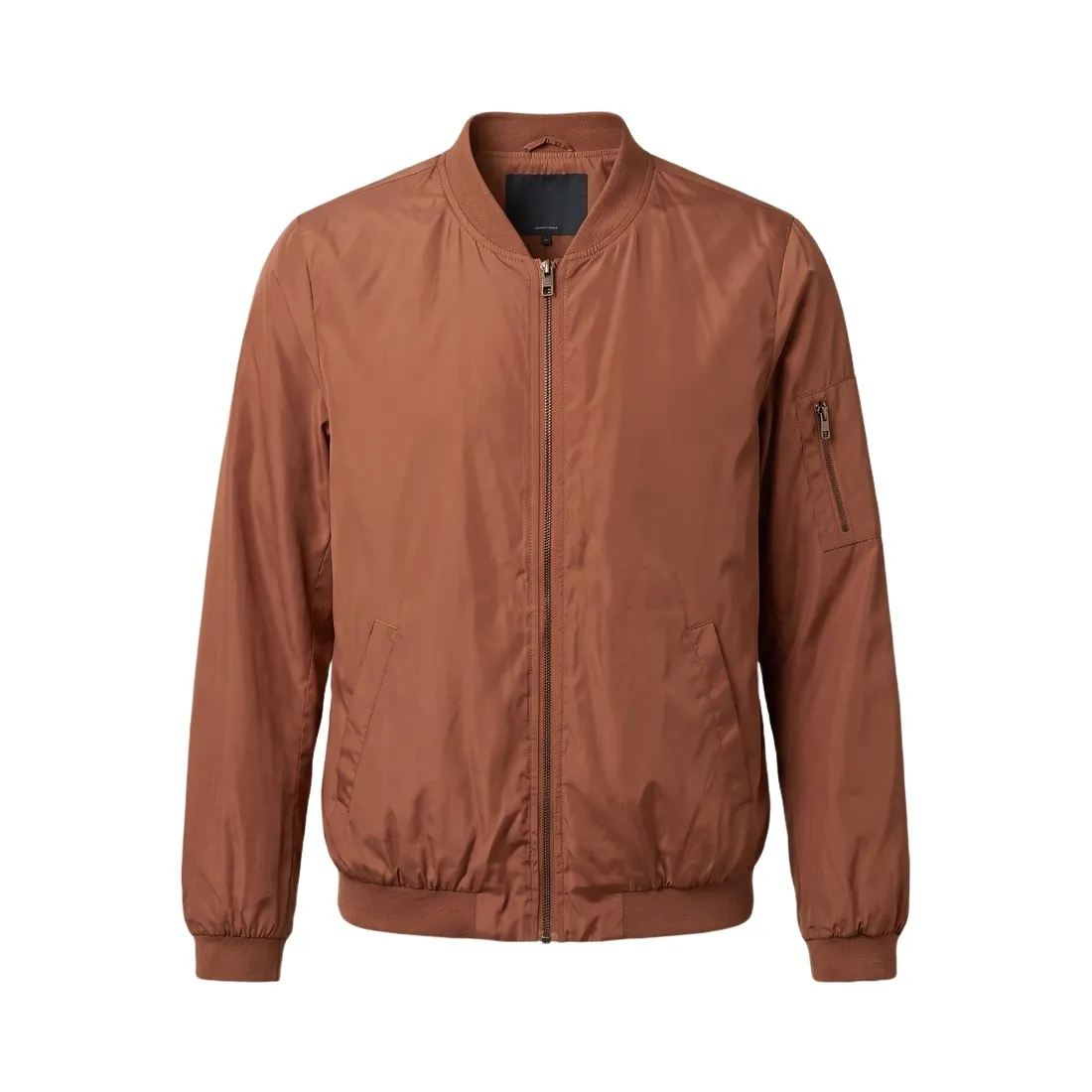
The main picture has to show the real product, so it starts from the seller's own photo through Remove background, which delivers it on white or transparent without redrawing it. The cut-out takes the old surface away together with any shadow on it, which keeps the ground even around the outline.
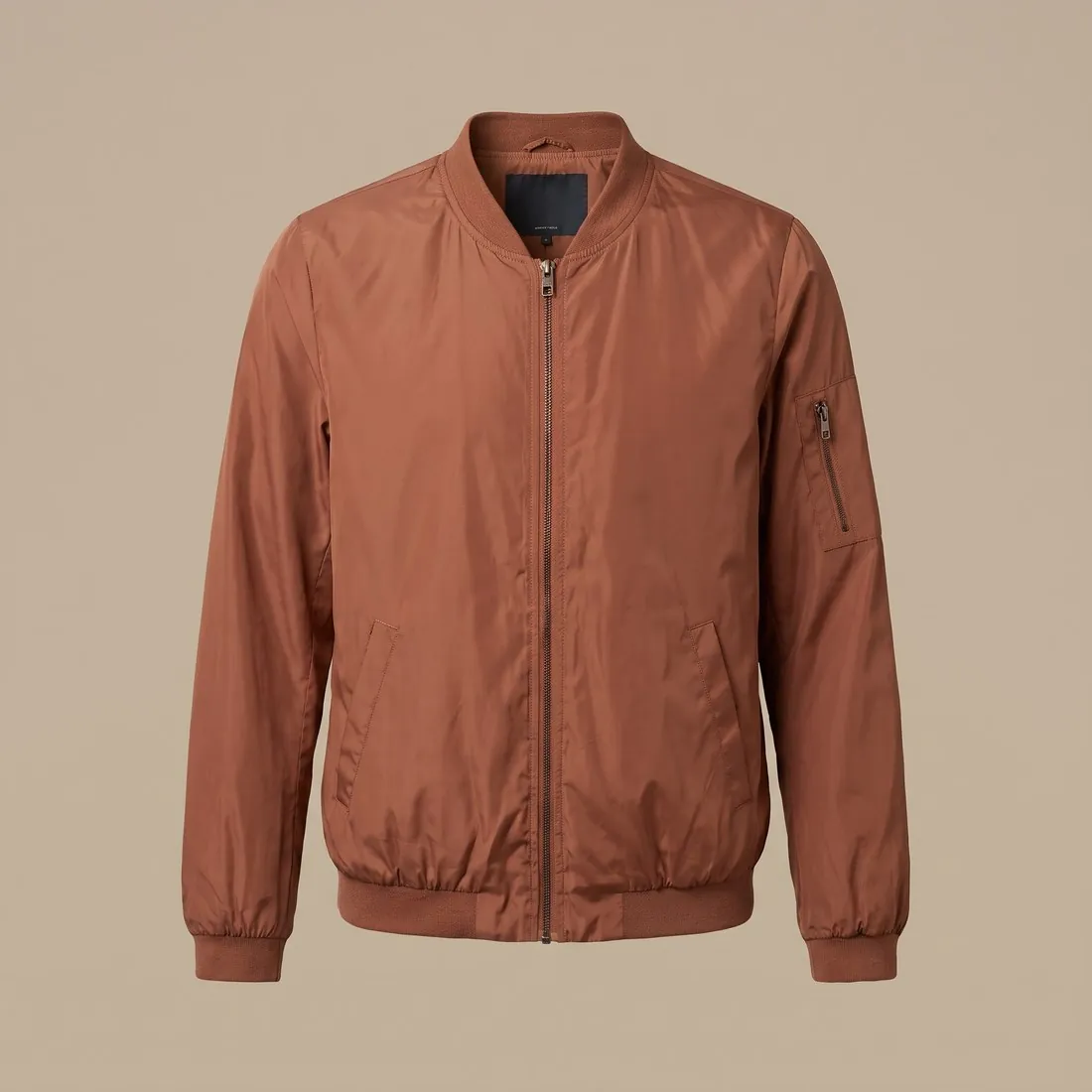
Generated views belong in the further slots. Garments gain a hollow-body view from Ghost mannequin and a worn view from Virtual try-on, both set on white, the packshot studio adds three-quarter and side views of objects, and Colour variants can recolour one photo per colour, provided each result matches its listed colour.
Ordering pictures for the merchant import file
The merchant import takes one main image and a set number of further images per product, so the order is decided in the file itself: the cut-out main picture in the main field, then the further views in the sequence buyers should meet them. A front view on white, a back or side, a detail and a worn view covers most clothing.
No size for this marketplace appears in the download menu, so the delivered 2K or 4K file is used directly, as PNG for a transparent cut-out or through the JPG download for white. The free checker for this marketplace measures the white, the fill and the edges of each file in the browser before the import runs.