Language: EN
Start free

Packshots for Zalando, upright and without a model.

Zalando uses one upright format, takes JPG only and opens an apparel listing with a primary packshot or a front crop on a model. Ghost mannequin turns a hanger or flat-lay photo into the garment alone, and the result downloads in the size Zalando recommends.

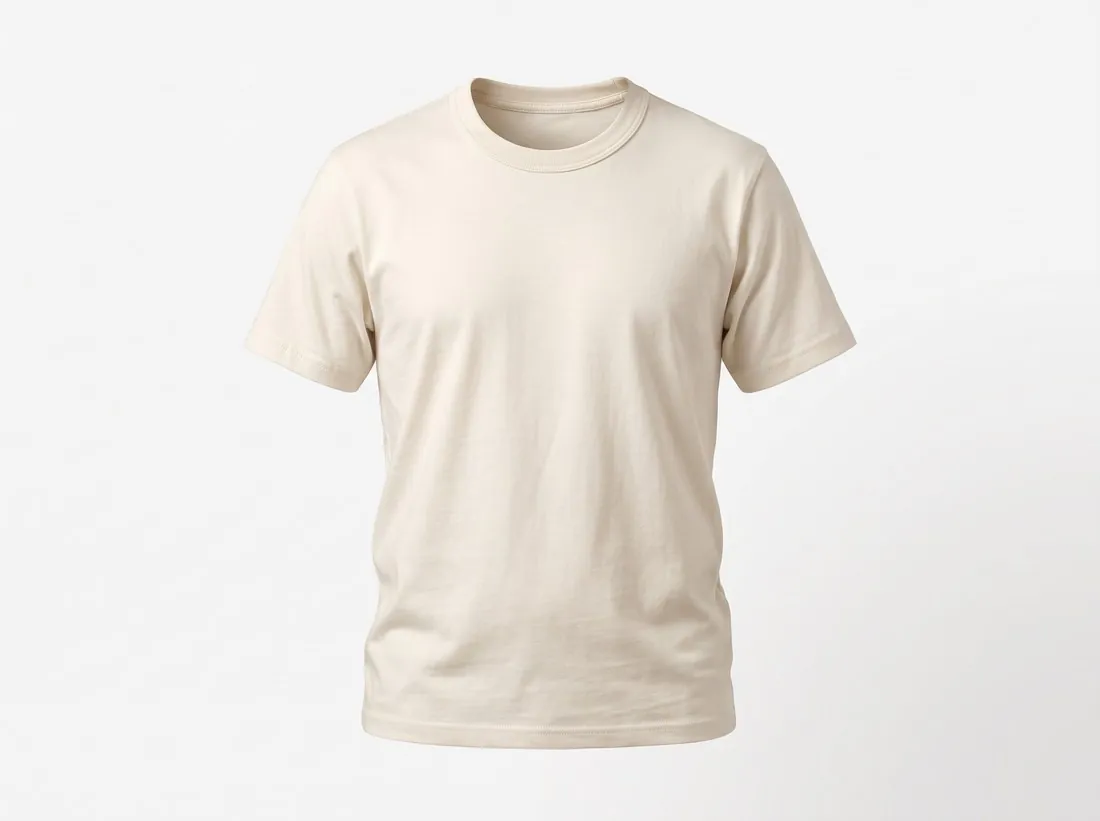
Ecru T-shirt as a ghost mannequin image on white
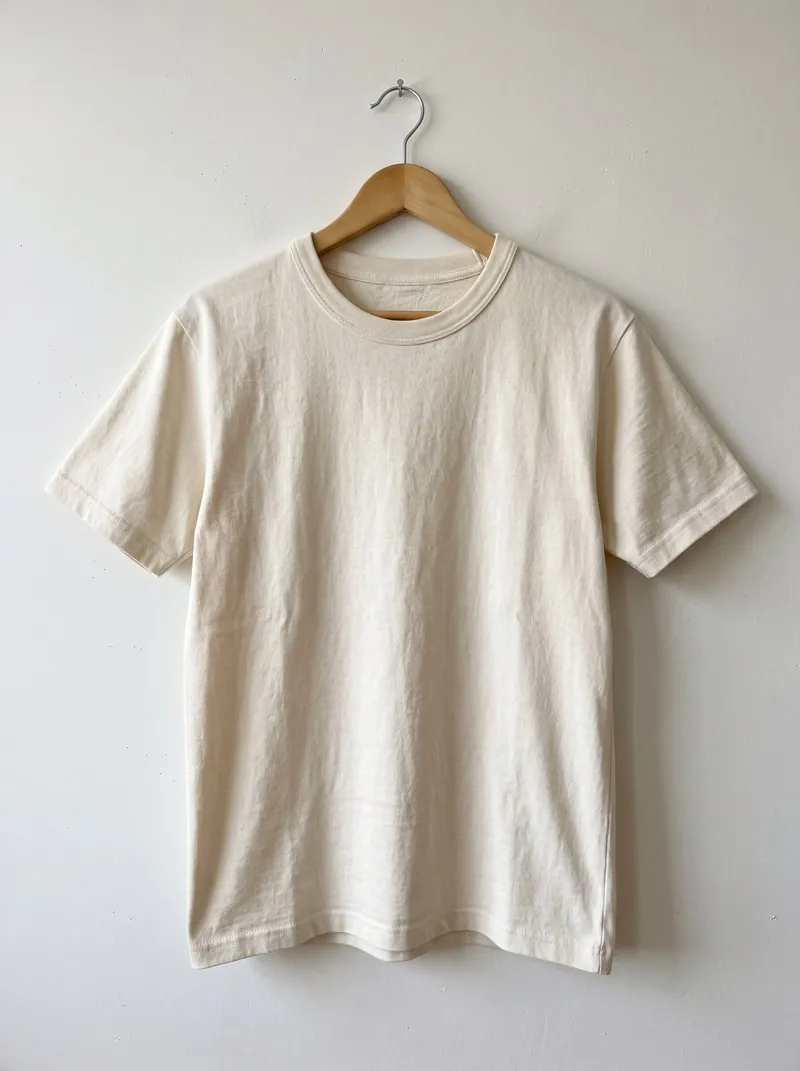
Source photo. Made with Herofab · Ghost mannequin
Worth knowing

What Zalando checks in a garment image.

  1. 1

    The packshot comes without a mannequin

    Zalando's packshot comes in two forms, a hollow garment with no form in sight or a garment laid flat, and a mandatory packshot showing a mannequin is not accepted. Ghost mannequin delivers both forms from one hanger or flat-lay photo. Zalando asks for the inner back view to stay in the image, so check the neckline before upload.

  2. 2

    A white backdrop is turned light grey

    Zalando accepts plain, lifestyle and ambient settings, and applies a light grey background of its own to a primary packshot submitted on white. A white Ghost mannequin backdrop therefore fits. Framing matters more: the garment should cover roughly four fifths of the upright frame and sit in its centre.

  3. 3

    No visible AI label, an invisible marker

    Zalando rules out an AI label printed on the picture, urges sellers to mark generated content inside the file and is turning that advice into a requirement. Herofab writes the IPTC marker for generated media into each file it produces. Paid images show no label on the picture; images from the free sign-up credits are watermarked.

In marketplace rules

What Zalando asks for.

Source: Zalando Partner University — Image guidelines. Checked 10 October 2026.

Aspect ratio
1:1.44 (width × height), upright format
Rounding
Zalando's system rounds the ratio: 1.445 or 1.446 becomes 1.45 and is marked as an incorrect aspect ratio
Size
Best practice 1,801 × 2,600 pixels; minimum 762 × 1,100 (designer brands 1,800 × 2,600)
Format
JPG/JPEG only, up to 20 MB, sRGB colour mode
Quality
High resolution at any image size; an image with the correct file size that is blurry is rejected
Number
At least 3 compliant images for apparel (kids included), accessories and shoes; 2 for home; 1 for hosiery, equipment, beauty, toys and electronics
Main image
The catalogue view, the first image shown in the shop: a model front crop or a primary packshot for apparel, accessories, shoes and hosiery; a primary packshot for home, equipment, beauty, toys and electronics
Framing
Catalogue views show the full product from the front or at a subtle angle; footwear shows the full side profile; maternity clothing is shown at a 45° angle with the belly facing left
Backgrounds
Plain, lifestyle or ambient settings; a primary packshot submitted on a white background gets a light grey background applied automatically; back views and model views can use any background colour, setting or location
Product fill
On apparel and shoe packshots the article covers approximately 80% of the frame, centred horizontally and vertically; bags and accessories have their own grid template
Packshots
Straps and inner back views are not removed on apparel; packaging is accepted only for accessories, jewellery, electronics and beauty
Model views
Several models can appear in one image if they wear the same article; models can be barefoot or wear shoes; child models are not used for nightwear, underwear or beachwear, which are shown as packshots (invisible mannequin or flat-lay)
Cropping
In compliant views an article can be cropped, partially covered or folded as long as the product remains clearly recognisable
Not allowed
Duplicate images; low-quality or unnatural AI-generated images; non-English text on primary views; visible mannequins in mandatory packshots and model views; unrelated products in the frame; content that violates ethical or community guidelines
Multipacks
A primary packshot shows all items in the pack; reversible and 2-in-1 articles need views that clearly show every style option and function
CE label
Electronics and toys need one image that shows the CE label on the device or its packaging
Extra images
Additional views, such as a product collection, do not count toward the required number; English text, logos and black-and-white images are permitted in them
Retouching
Zalando may position packshots on its view grids, crop images to the required resolution and aspect ratio and modify backgrounds to its required colour range; it does not make edits that change how the article looks
AI images
Visible on-image labels are not allowed; invisible marking of AI-generated content is strongly recommended and required by December 2026
AI quality
AI-generated content must meet Zalando's editorial and technical criteria; Zalando reserves the right to reject assets that break believability, feature irregularities or fail to represent the product accurately
AI distortions
Not acceptable: an inaccurate representation of the article, such as distorted text, mispositioned buttons or brand logos merged with another brand; an implausible setting, such as wrong shadow angles or proportion errors; an inconsistent model appearance across an image set
Bags
On all bag packshot views the bag is centred vertically in the lower third of the image
AI labelling
Content that requires visible labelling under applicable laws must not be provided; Zalando names deepfakes and public interest text
AI marking
Identifying data must be embedded in the metadata or as an invisible watermark in the file code; the metadata must be permanent so that it is not stripped during upload
Source photo

The garment photo behind an upright packshot.

  • Photograph the garment at full length on a hanger or laid flat, with hem, sleeves and collar inside the photo; an upright image shows the piece from top to bottom, and a cropped hem cannot be added back faithfully.
  • Shoot the front straight on in even daylight, and take a second photo of the back when it carries a print, a yoke or a zip, since Ghost mannequin delivers a front or a back view.
  • Smooth out creases and close buttons and zips before the shot; the fabric, the buttons and the print are briefed to be kept the way the photo shows them.

Blur, rounding errors and AI flaws behind a rejected asset

Some rejections are purely technical. The proportion of a frame is checked after rounding, so an image only slightly off the required shape is reported as wrong even when the difference is invisible to the eye. A file can carry enough pixels and still fail for softness, because sharpness is judged at every size. Repeated images, text in a language other than English on primary views and items unrelated to the article in the frame are further causes the guidelines name.

Generated images are read against an editorial standard of their own. Text that warps, buttons that sit in the wrong place, a brand logo blended with another, shadows falling at an impossible angle, proportions that do not hold and a model whose face or build changes from one image of a set to the next are all grounds for refusal. Content that would need a visible label under the law, a deepfake for example, is not to be supplied at all.

Keeping one model, one garment and one look across a set

Consistency across a set is where the choice of Herofab tool matters most. Virtual try-on can use a saved model, created once with Create model and selected again for every article, and Change pose redraws the person of a finished image in another pose without a new upload, so the face and build stay those of one synthetic model. A front and back ordered together as one set keeps the person of the front image for the back.

For the details listed as AI faults, the brief already points the same way: printed text kept character for character, buttons kept in number and position, logos left as they are. Where a result still shows a slip, the fix tool changes only the marked area and its immediate surroundings, which leaves the approved rest of the image untouched, and every plan includes a monthly allowance of free fixes.

From a three-by-four render to the required upright frame

Apparel needs several compliant images, and a collection shot does not count toward them. No Herofab format matches the marketplace proportion exactly; two by three is the closest upright choice. The download for this marketplace closes the gap by padding the garment image to the recommended pixel size instead of cutting into it, so the rounding check sees the right shape and the garment stays whole. The padding adds space at the sides of a two-by-three image, so the article's share of the frame is worth measuring again on the downloaded file.

The same step writes a JPEG under the size ceiling and puts the AI marker back into the file as its final action, the kind of embedded marking the guidelines ask for. A file passed through another editor or the browser resizer afterwards can lose that metadata, so the downloaded JPEG is the one to upload, and the free AI image label checker shows which markers a file still carries before it leaves the computer.

Questions

Product photos for Zalando, answered.

Can a Herofab try-on image serve as a Zalando model view?

Zalando's image guidelines judge generated content by the same editorial and technical standard as photography and let Zalando turn down an image that looks implausible, shows irregularities or misstates the article. Herofab's models are synthetic, so the decision on an AI on-model image is Zalando's; read the guideline for the category before anything is uploaded.

Does the hollow-body image count as a packshot?

Zalando names two forms of packshot, the invisible mannequin and the flat lay, and Ghost mannequin delivers the garment without a model in either form. Which view opens the listing depends on the category: for apparel it is a primary packshot or a front crop on a model. Compare the result with the views listed for the article before upload.

Does the Zalando download have the right size and file type?

Choosing Zalando from the marketplace sizes produces a file in the upright size Zalando recommends, saved as JPG, the only format Zalando takes, without cropping the garment. Zalando also asks for the sRGB colour mode and caps the weight of a file; the free checker tests a file against these rules in the browser.

How should a bag sit in a packshot for this marketplace?

Centred, with the bag placed in the bottom third of the frame on every packshot view, following a grid template that applies to bags and accessories. The packshot studio centres the product and offers no setting for its position, so a bag packshot may need repositioning; the guidelines also allow the marketplace to place packshots on its grids itself.

Which view do shoes need as the catalogue image?

The full side profile. The packshot studio's side view shows a pair in profile, its usual view for shoes, with the left and right shoe together and the sole profile, laces and logos kept as photographed. A front or top-down view of the pair belongs among the additional images, where English text, logos and even monochrome pictures are also tolerated.

How much does it cost?

4 credits per image, plus one credit for 4K. In US dollars that is $0.16 to $0.48 per image before tax, from the largest plan to the smallest credit pack. The cost is shown before you generate, and if a job fails the credits are returned. The 20 free credits at sign-up cover 5 images with this tool.

Examples by product
Get started

Your next collection, shot this week.

20 credits at sign-up, no card required. Images made with free credits carry a watermark. Herofab also removes the watermark from those images once credits are purchased.