Language: EN
Start free

How do I get photos of my glasses on a model without a photoshoot?

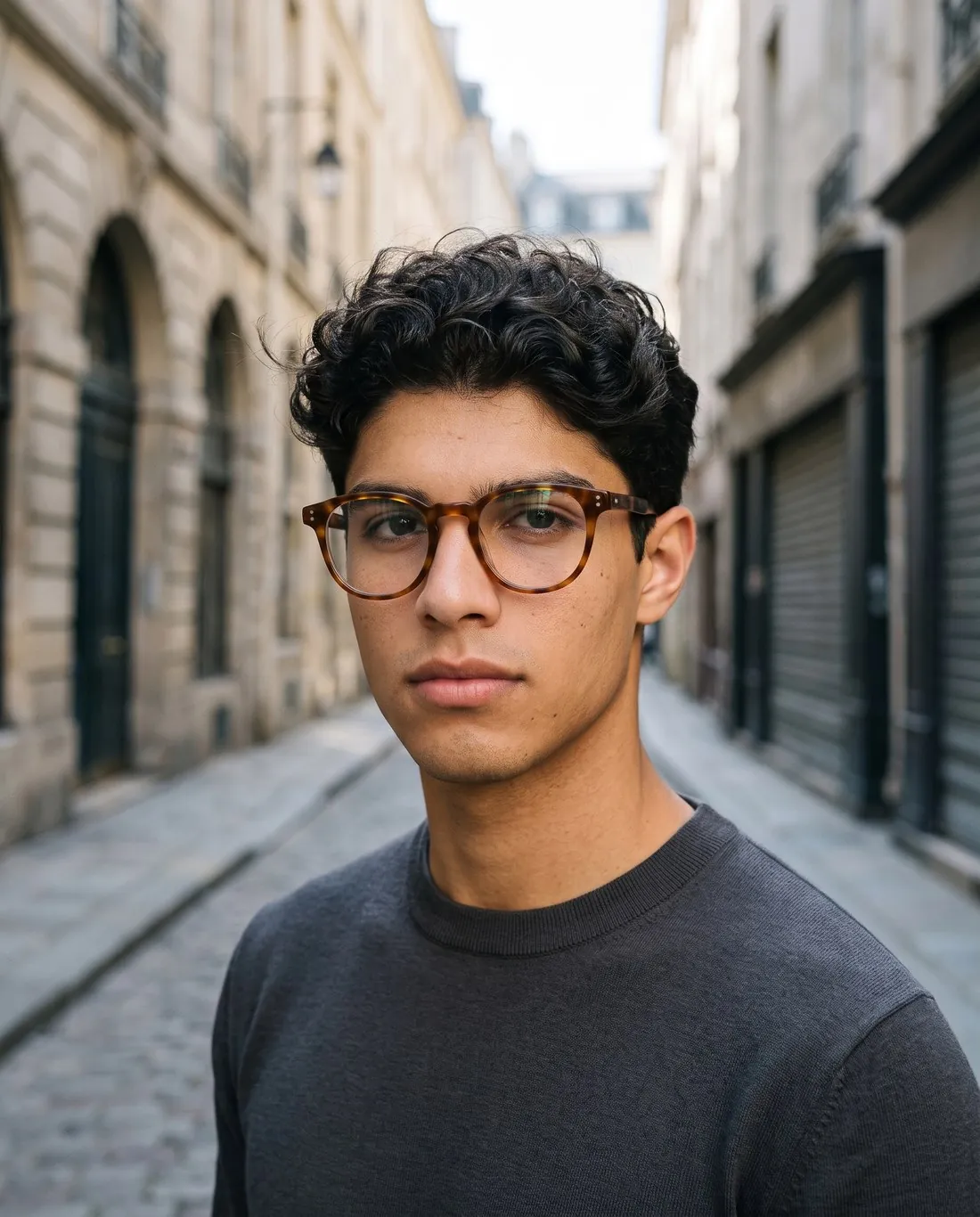
Upload a plain product photo of the glasses to Herofab's Eyewear studio, select eyeglasses or sunglasses and choose a model. Herofab puts the pair on the model in a head-and-shoulders close-up and is briefed to keep the frame shape, the colour and the lenses.

Model wearing round tortoiseshell glasses on a cobbled Paris street, close portrait · Eyewear studio
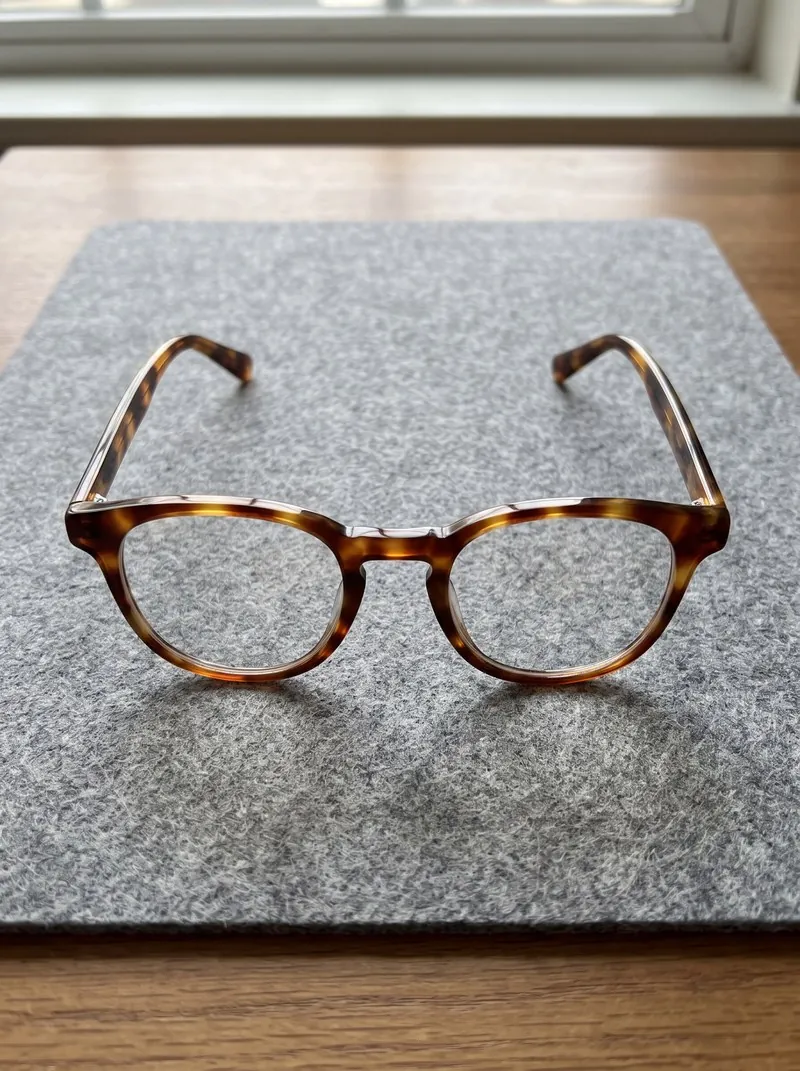
Source photo: Product photo. Made with Herofab · Virtual try-on
Worth knowing

From one product photo to glasses on a face.

  1. 1

    Upload the pair on its own

    Photograph the glasses alone and sharp, with the whole frame and both temples in view, and upload that photo to Eyewear studio. The input is the product itself: no model and no studio are needed for the source photo.

  2. 2

    Choose the type, model and background

    Select eyeglasses or sunglasses, then a ready-made model, a model you created, or a photo of a model you have permission to use. The background can be studio white or grey, outdoor, lifestyle, a location or your own image.

  3. 3

    Receive a close portrait

    The glasses arrive on the model in a head-and-shoulders close-up with a slight three-quarter turn. Eyeglasses keep clear lenses with the eyes visible behind them; sunglasses are briefed to keep the lens tint and any gradient or mirror finish.

Source photo

The glasses photo that works as the input.

  • Clean the lenses and open both temples until the hinges stop, so the frame rests on its temple tips and lower rims and faces the camera.
  • Stand a sheet of white card in front of the glasses so the lenses reflect it, then move the phone until its own reflection leaves the glass.
  • Keep the whole frame and both temples in the picture; for sunglasses, a white surface behind the lenses in daylight shows the true tint.

Choosing the face that wears a frame

A frame reads differently on every face, so the choice of model is part of the product image. Eyewear studio works with a ready-made face, a face built for the shop, or an uploaded portrait the seller holds permission for. When no portrait is uploaded, the model is chosen as a woman or a man, and a unisex frame can appear once on each in the same listing. A created model saved to the library keeps one face across a whole range of frames.

The rest of the portrait is briefed to stay out of the frame's way: a plain neutral top, no hat, no second pair of glasses and nothing else on the face. A created model whose hair is short or worn back leaves both temples in view from the start, which makes the hinges and the line of each temple easy to inspect in the delivered image.

End pieces, rivets and the logo on the temple

The end piece is the corner where the front of the frame meets the hinge, and on many acetate frames it carries decorative rivets or pins. In the worn portrait, turned slightly towards three-quarter, one end piece faces the camera more than the other. The brief asks for repeated identical parts, rivets among them, to keep the same colour and finish wherever they appear, and treats highlights in the source as light rather than as part of the frame.

A temple logo is small in a head-and-shoulders portrait. A close-up of the logo can be uploaded next to the main photo as a detail image, and the brief asks for that detail to be reproduced at the correct scale and position. The main photo still has to show the whole pair: the close-up adds legibility to a part that is already in view, not a part the main photo left out.

Reading a glasses portrait before it goes live

Look at the bridge first. It rests on the nose, and the pair should sit level, with neither lens higher than the other. Then follow each temple from the hinge back to the ear: a temple that ends at the cheek, stops in mid-air or sinks into the side of the face is a reason to order a new image, since the brief asks for glasses that sit naturally on the nose and ears.

Count the pairs as well. The brief asks for the frame once and for no other glasses, so a second pair pushed up into the hair, or a shape in the lens that reads as a duplicate frame, should not be there. Then compare the frame colour in neutral daylight: a black frame that has turned dark brown, or yellow metal that has turned rose, is no longer the frame on sale.

Questions

Glasses on a model photos, answered.

Does it work for sunglasses as well as optical frames?

Yes. Eyewear studio takes eyeglasses and sunglasses. Sunglasses are briefed to keep the lens tint and any gradient or mirror finish as in your photo; eyeglasses keep clear lenses, so the eyes of the model show through.

Can the same frame be shown on several models?

Yes. Every image is ordered from the same product photo, so one frame can be shown on several models for a listing. A model created once and saved to your library keeps the same face across a whole collection.

What should I check before I publish the photos?

The hinges, the temples and any logo on the frame: thin metal parts and small lettering are the details to compare with the real pair. Pose and back view are not offered for eyewear, so every image is a close portrait.

Can glasses be shown in a hand instead of on a face?

Yes, in Product studio rather than Eyewear studio. With a woman's or a man's hand selected, the pair is briefed to be held by one temple near the hinge, temples open and the frame facing the camera, with the fingers kept off the lenses and the front of the frame. Only the hand and wrist appear in that image, no face or body.

What happens when the model photo has hair over the ears?

The brief asks for the hair to be kept away from the temples, so the glasses can run back to the ears. Hair that falls over the side of the head can still hide the temple tips. Look at the point where each temple meets the hair, and prefer a model photo with the ears visible when the temples carry a logo.

How much does it cost?

5 credits per image, plus one credit for 4K. In US dollars that is $0.20 to $0.60 per image before tax, from the largest plan to the smallest credit pack. The cost is shown before you generate, and if a job fails the credits are returned. The 20 free credits at sign-up cover 4 images with this tool.

Examples by product
Get started

Your next collection, shot this week.

20 credits at sign-up, no card required. Images made with free credits carry a watermark. Herofab also removes the watermark from those images once credits are purchased.