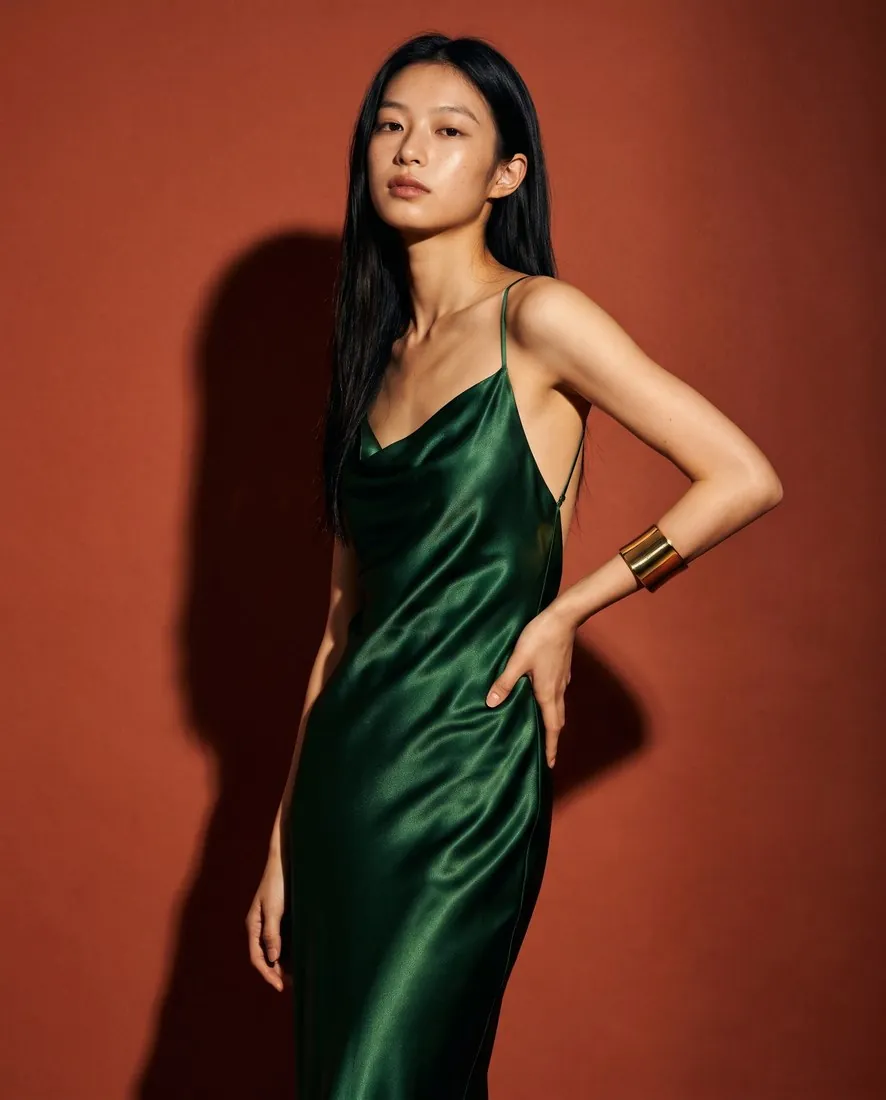
A synthetic model is created from a description, such as an age range, a body type and hair, and not from a photograph of anyone. Because the model can be saved and reused, the same face can wear every product of a collection, which gives a catalogue the look of a single shoot.
An image of a synthetic model shows how a garment looks when worn; it is not a record of how that garment fits a particular body, and measurements remain the place where fit is stated. Marketplaces and regulators have begun to ask that AI-generated images of people be marked, and such a marker can be stored inside the image file.
What makes a synthetic model reusable
A description alone does not fix a person. The same words entered twice give two different faces, because each generation starts afresh. Consistency comes from saving one generated model and using that saved picture as the reference every time the model is dressed.
This is what separates a synthetic model from a generated figure that appears once. The saved model keeps its face, build and hair, so a product added months later can be shown on the same person as the rest of the range.
Where a generated person gives itself away
The usual signs sit at the edges of the body. Hands may have fingers that are too many, too few or fused; hair may end in a blur or in a hard line against the background; teeth, ears and jewelry may merge into the skin. Skin that is evenly smooth from forehead to neck, with no pores or small marks, is another sign.
A reused model can also drift. Between two images the hairline, a mole, the eye colour or the skin tone may shift slightly, above all when the pose or the light changes a great deal. The drift is hard to see in a single picture and plain when the images of a collection are placed side by side.
Where a synthetic model fits, and where it does not
A synthetic model belongs in product and campaign images, where the person is a way of showing the garment. It does not belong where a picture stands for a real individual: a customer review, a testimonial, a team page. In those places a generated face states something that is not true.
The description deserves the same care. A model is defined by general traits, such as an age range, a build and a hair length, and not by the name or the likeness of an existing person. A build chosen to match the customers a brand sells to is useful only when the listing offers the corresponding sizes.
Synthetic model and related terms
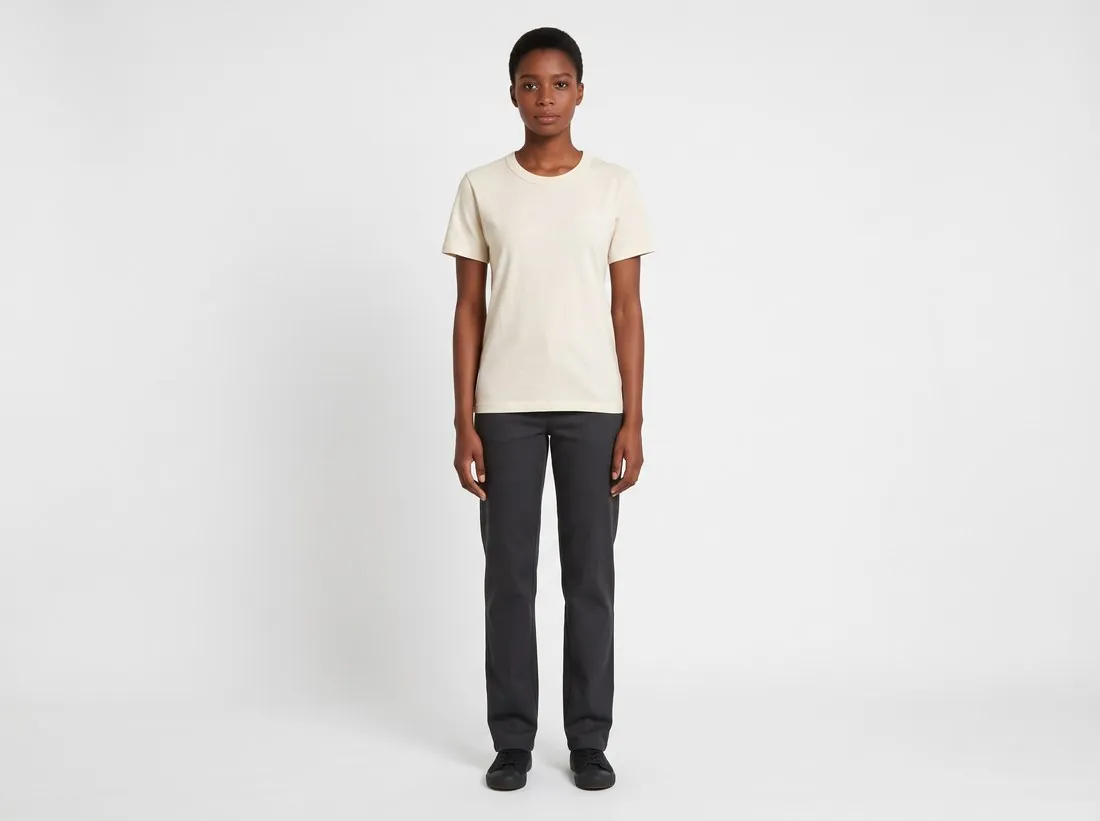 On-model image
- An on-model image is defined by what it shows, a product worn by a person, and not by how that person came to be in the picture. A synthetic model is one of the two kinds of wearer such an image can have.
 Virtual try-on
- Virtual try-on is the process that moves a garment from a product photo onto a wearer. The synthetic model exists before that step and is the same model after it, ready for the next product.
- AI image labelling
- AI image labelling is the marking of a picture as generated or edited by AI. A picture with a synthetic model is a clear case for such a mark, since the person in it never stood in front of a camera.
- Content Credentials (C2PA)
- Content Credentials are a signed record of how a file was made and edited. Where the tools in use support them, they can state that an image was generated, in a form that reveals later tampering.
A checklist for images with a synthetic model
- The face matches the saved model in every image of the collection: the same hairline, eye colour and marks on the skin.
- Hands show the right number of fingers, and teeth, ears and the edges of the hair look natural at full size.
- Skin has visible texture, and its tone stays the same from one image of the series to the next.
- The model's build corresponds to a size that the listing actually offers.
- The AI marker is still inside the file after the last export, where the sales channel asks for one.