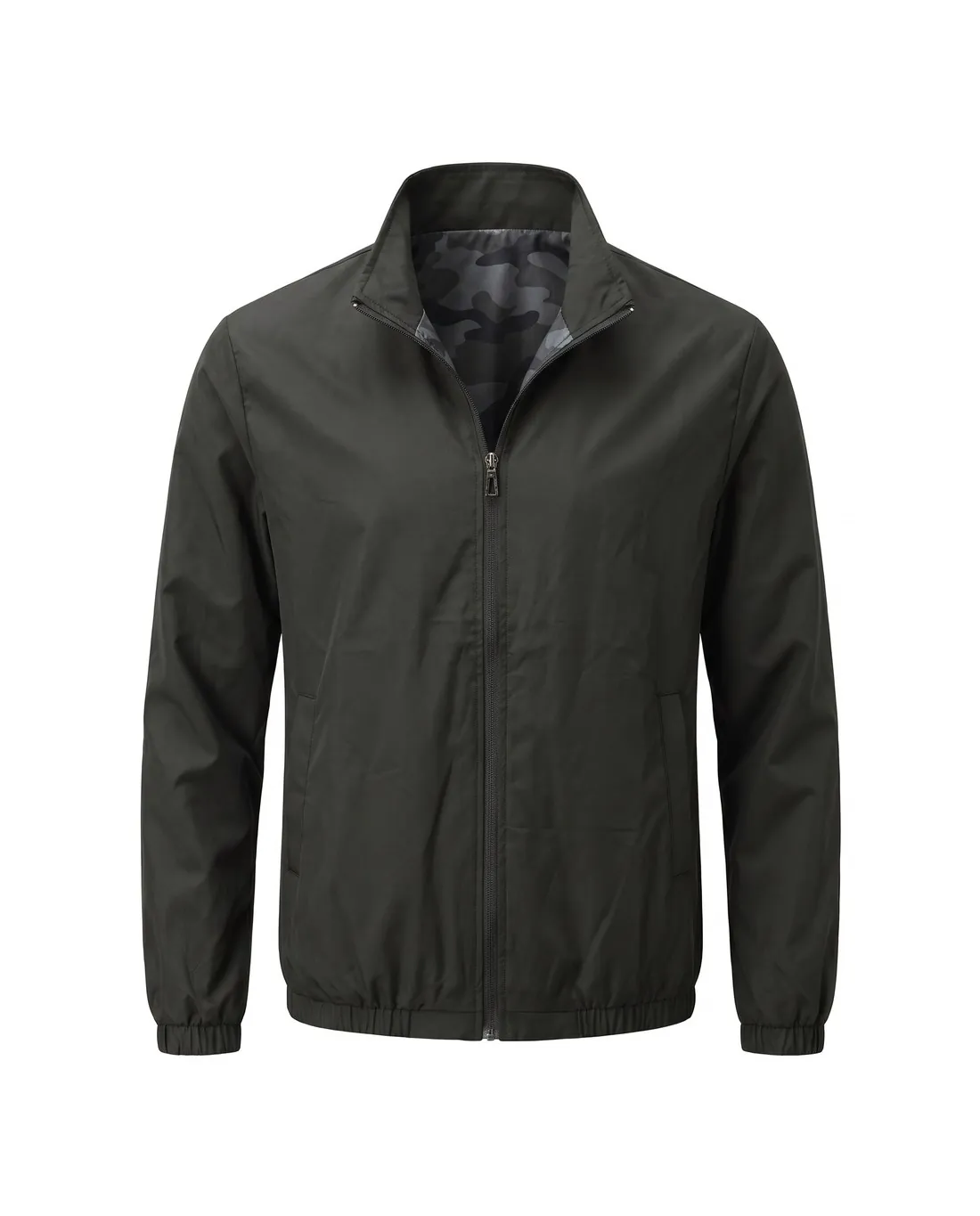
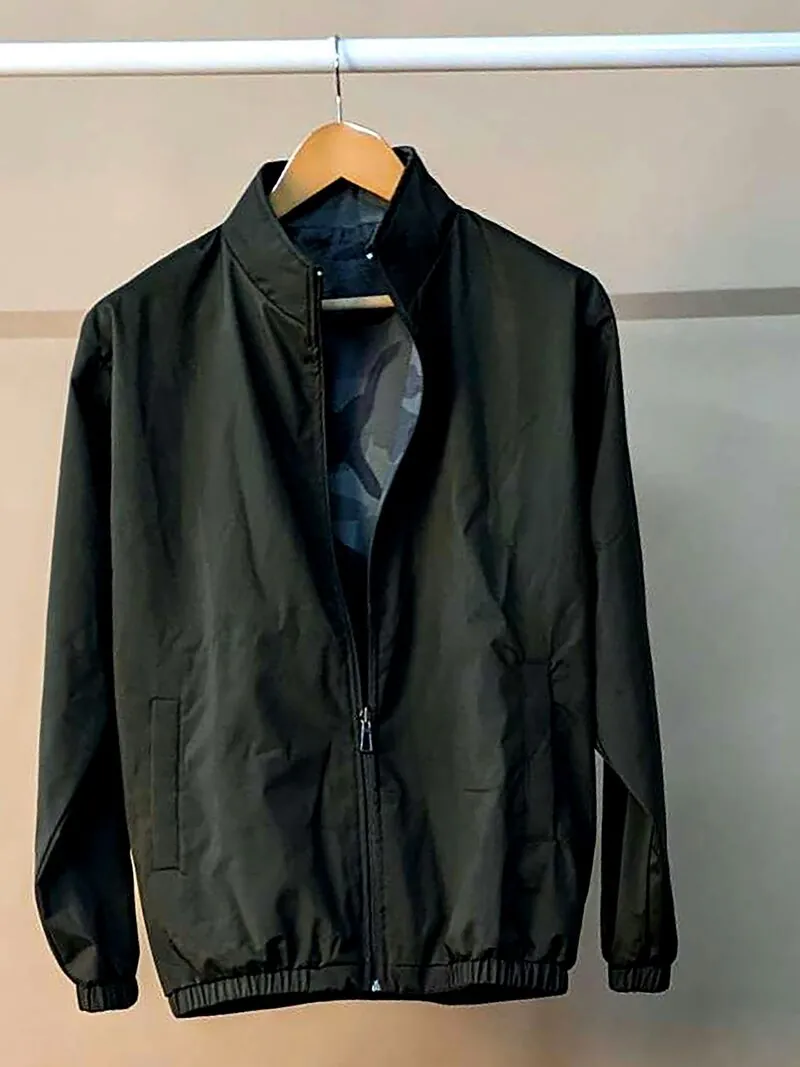
Where a lookbook sells the mood of a collection, a line sheet is the order form behind it. Each style appears as a small, plain image on a neutral ground, more often a flat lay or a ghost mannequin image than a model shot, next to the facts a buyer needs: the style number, the fabric, the colours and sizes on offer, the wholesale price and the delivery window.
Because many styles share one page, the images have to be uniform: the same view, the same background, the same scale. A buyer compares styles side by side and orders from the sheet, so each image must match its sample in colour and shape. Colour options are often shown as small swatches beside the style.
The terms around the list of styles
The rows of styles sit inside a frame of terms. The head of the sheet names the brand, the season and a contact for orders. Somewhere on it a buyer finds the order deadline, the minimum order, the delivery window and the payment terms, because a price without these is not yet an offer.
Each style usually carries two prices: the wholesale price the retailer pays and the retail price the brand suggests. Sizes are given as a range, and where goods are sold in fixed packs the sheet states how many pieces of each size a pack contains. All of it is written so that an order can be filled in without a further question.
Images that work at tile size
A line sheet image is seen at about the size of a playing card, or smaller. At that size the outline and the colour survive and fine detail does not, so the image is judged by its silhouette: sleeves laid open, hems straight, nothing folded under. Collars are closed or opened the same way on every piece, because at this size a difference in styling reads as a difference in design.
The background of every tile is the colour of the page, usually white, so that the grid shows no boxes. Each product fills its tile to a similar degree. Images that bring their own shadows, tints or crops make a page look assembled from different sources, even when every single picture is acceptable.
Formats and changes during the season
A line sheet is sent as a document that prints cleanly, often with a spreadsheet order form beside it, or it is entered into a wholesale ordering system that builds the same grid from product data. In each form the image and the style number have to stay locked together, since the buyer orders the number and expects the picture.
The sheet changes while it is in use. Styles are cancelled, a colour sells out, a price is corrected. A date or a version mark on every page tells a buyer which sheet is current. The fault that costs most is a silent one: a picture left beside the wrong row after a style was removed and the rows below it moved up.
Line sheet and related terms
 Lookbook
- A lookbook shows the collection as styled outfits worn by models, without order data. It gives a style its context; the line sheet isolates the style and attaches the facts needed to buy it.
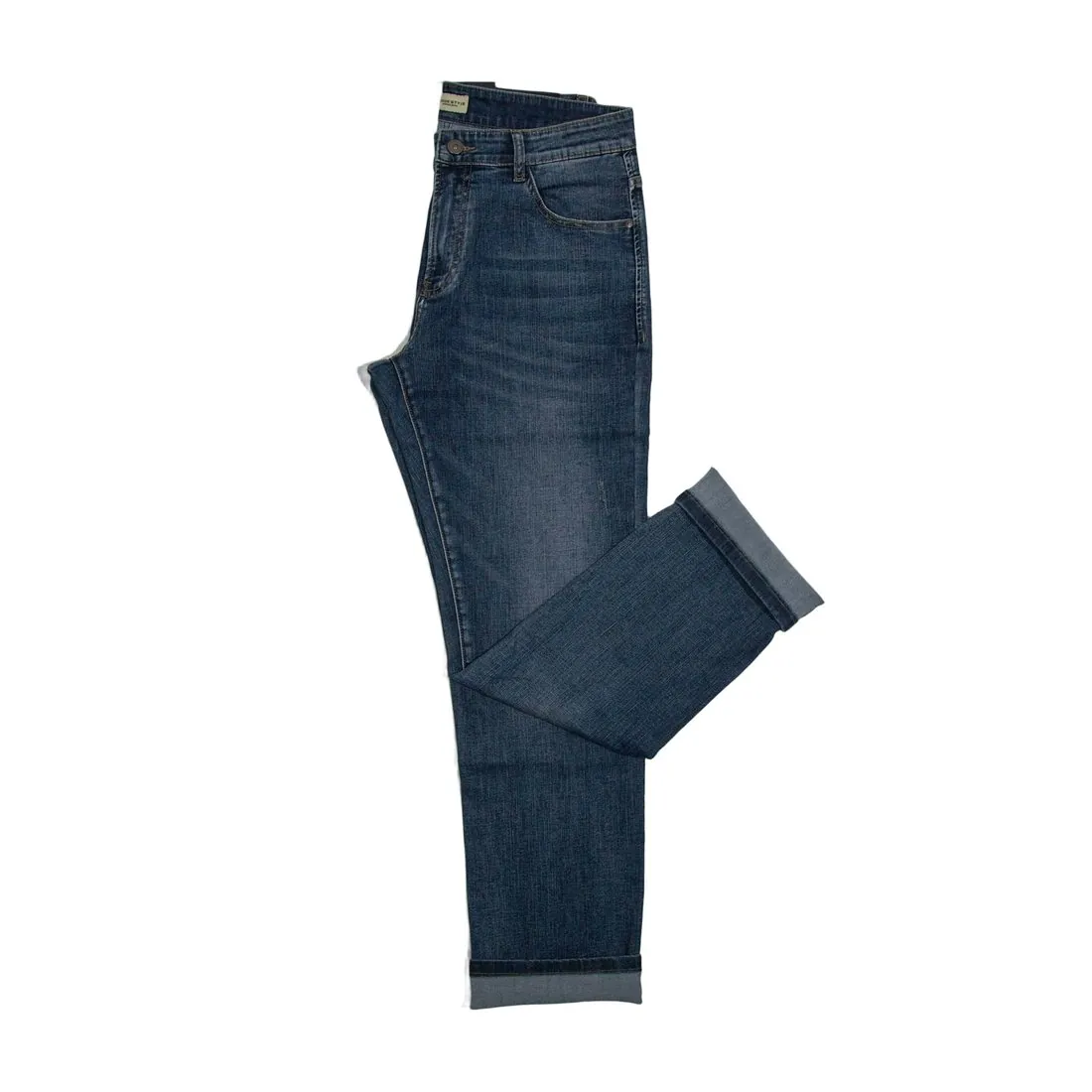 Flat lay
- A flat lay is a garment photographed lying flat from above. It is the simplest image to produce uniformly for a whole collection, which is why it fills many line sheets, although it shows no volume.
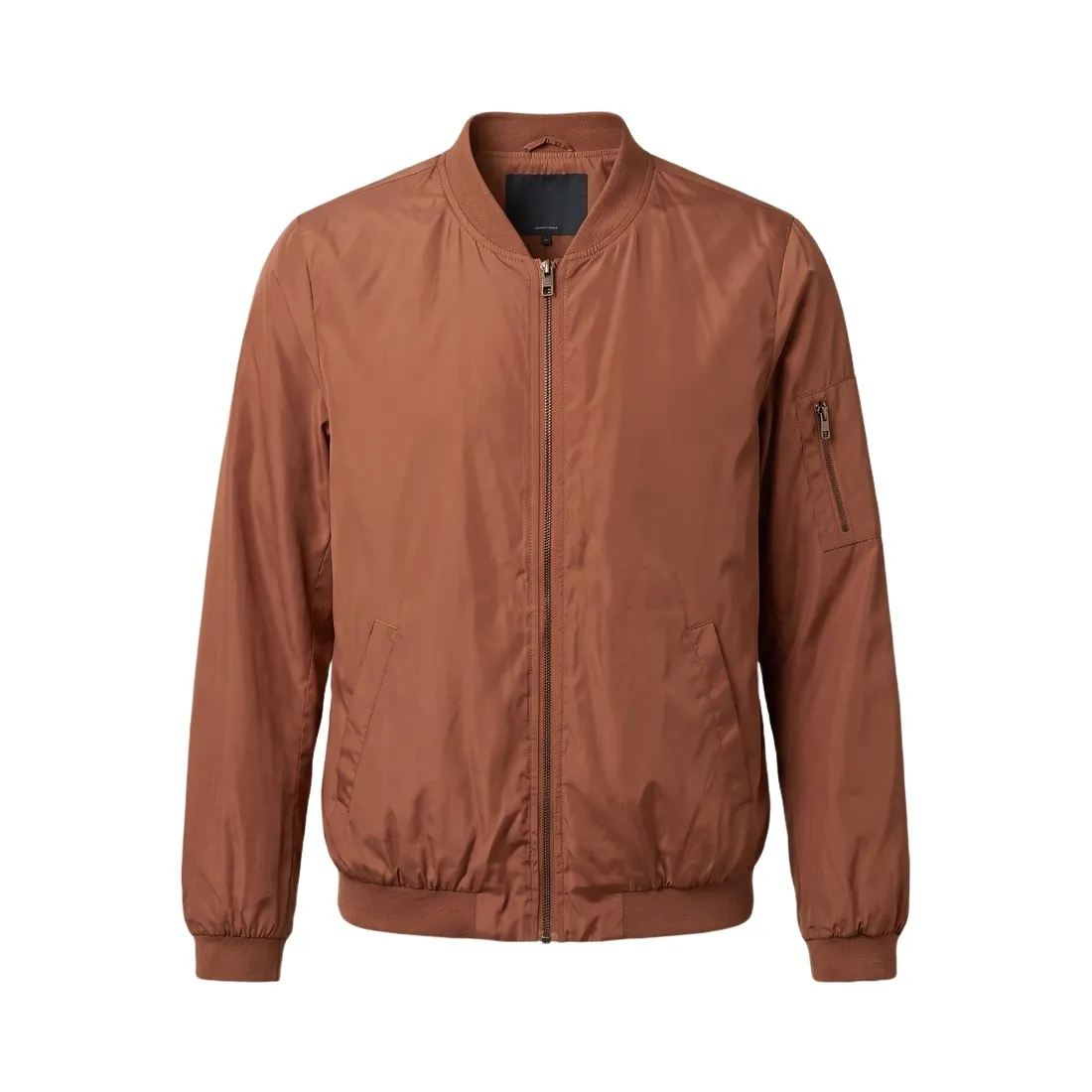 Ghost mannequin
- A ghost mannequin image shows a garment with the shape of a body and no body visible. On a line sheet it serves structured pieces such as jackets and dresses, whose cut a flat image flattens.
- Colourway
- A colourway is one colour version of a style. A line sheet shows one colourway in the image and lists the others beside it, so the list has to say which colour is the one pictured.
A checklist before a line sheet goes to buyers
- Every image stands beside its own style number, and the colour pictured is named among the colours listed.
- All images share one view, one background colour and a similar fill of the tile.
- Each style states its wholesale price, its sizes and its delivery window, and the sheet states the minimum order and the order deadline.
- The season and a date or version mark appear on every page of the sheet.
- The sheet is still readable when printed in black and white: colours are written out as names or codes and not shown by chips alone.